
Tracing Former Owners of a Gloucester County Property
A modern ownership trail starts at the newest deed. Then it moves to the grantor's own purchase. Anchor every step to the legal description. Names and street addresses alone can mislead you. Gloucester Circuit Court Clerk materials note that certain record groups have been held since 1859. That is not a promise of completeness. Every deed series, image, or index does not necessarily run complete from that year. The county publishes no verified online cutoff. Confirm what remote access actually covers before you rely on it.
| Source | Years It Covers | Where Held | What It Shows |
|---|---|---|---|
| Recorded deeds | Clerk confirms certain record groups from 1859; exact deed series coverage varies | Gloucester Circuit Court Clerk, local records room, and remote access where offered | Conveyance parties, instrument date, and legal description |
| Virginia Secure Remote Access | Coverage and image cutoff for Gloucester not confirmed in county materials | State judiciary system; local registration may be required | Remote search where available; verify local availability and fees |
| Land books | Published searchable volumes for 2020–2026; January 1 snapshots | Commissioner of the Revenue, Real Estate | Tax-roll ownership and assessment position for that year |
| Historic tax lists | Gloucester land tax lists 1782–1861; personal-property lists cover a similar period | Library Virginia Room and historical resources | Taxpayer or taxable property clues, not a deed chain |
A recent transfer calls for the latest deed. Work the chain backward from there. Land books give a year-by-year assessment clue. For early house or family history, look wider. Historic tax lists, newspapers, and local collections can place a name in time. Treat them as leads to verify in the recorded instruments, never as substitutes. Ask the Clerk which record group and access method fits your period before you travel.
The Clerk’s resource page describes its land records and public research room. Review Gloucester Clerk land-record resources.
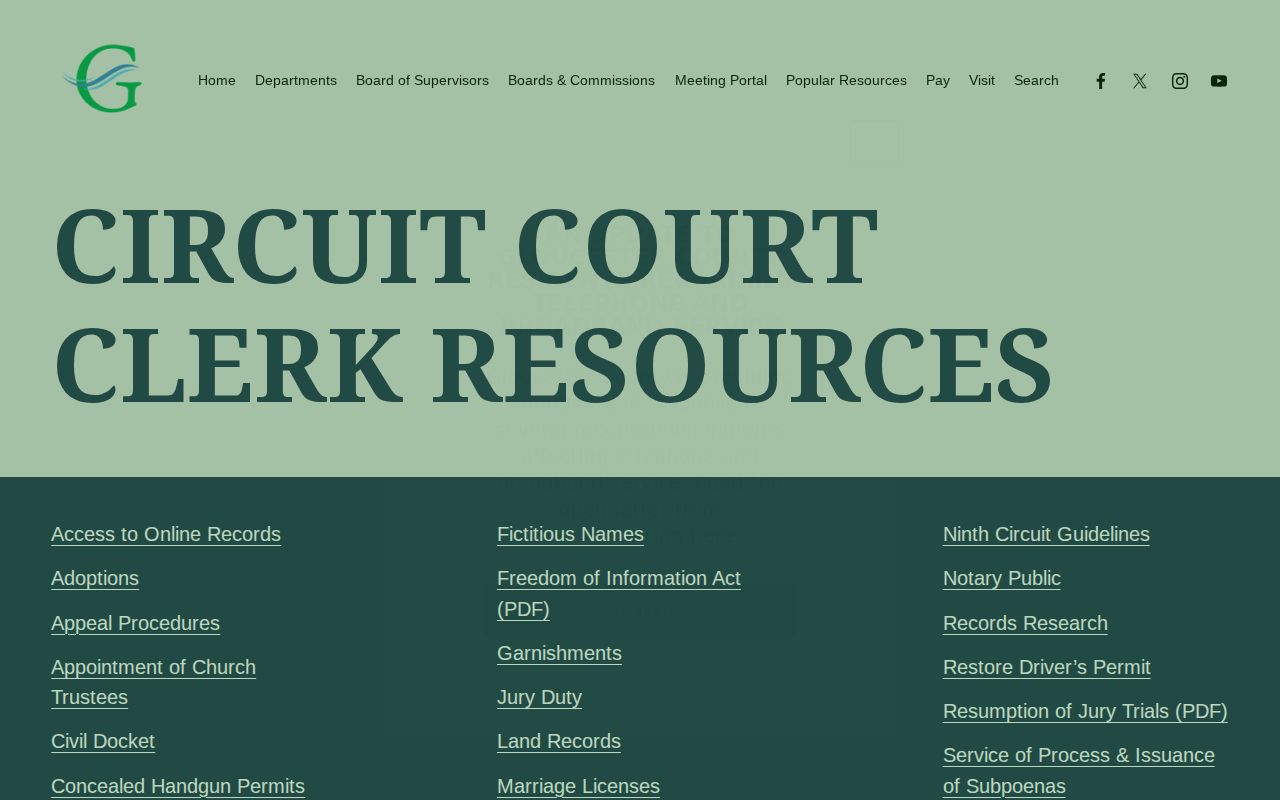
The Clerk's guidance explains office procedure rather than sample deed results. Staff can tell you which books or instruments cover the span you need.
Walking the Gloucester County Deed Chain Backward
Every chain search opens with the deed that conveyed the parcel to the current grantee. Read the instrument closely. Pull out the grantor, the recording reference, any stated consideration, and the full property description. Then hunt for the grantor's earlier deed, where he or she stood as grantee. Repeat that step until you reach the period or root of title your research demands. The Clerk's office lets visitors run their own title search. Visitors can also hire a licensed attorney or title company. Staff will help you use the records room. But they do not certify a search for you.
- Identify the parcel in the assessment database and write down its RPC and legal description clues.
- Find the most recent deed that describes the same land and note its grantee, grantor, date, and book/page or instrument reference.
- Search the grantor’s name as a prior grantee; compare the description to see whether the earlier deed covers the whole parcel.
- Continue backward, checking related plats, deeds of trust, releases, wills, or estate instruments when they affect the ownership story.
- When remote coverage ends or the index is unclear, ask the Clerk about books, images, and any in-person search procedure.
- Grantor / grantee
- The parties identified as conveying and receiving an interest in the instrument; the instrument’s terms control.
- Chain of title
- The connected sequence of conveyances and related records used to trace interests over time.
- Legal description
- The deed’s description of the land. Older tracts may use metes and bounds or refer to a recorded plat rather than a current street address.
Virginia's Secure Remote Access system lays out remote land-record access. A statewide landing page cannot prove that every Gloucester deed or image is online, though. Ask the Clerk whether remote registration covers the record you need. Confirm any image or copy charge before you count on it.
The judiciary describes Secure Remote Access for land records. Read the Virginia SRA information.
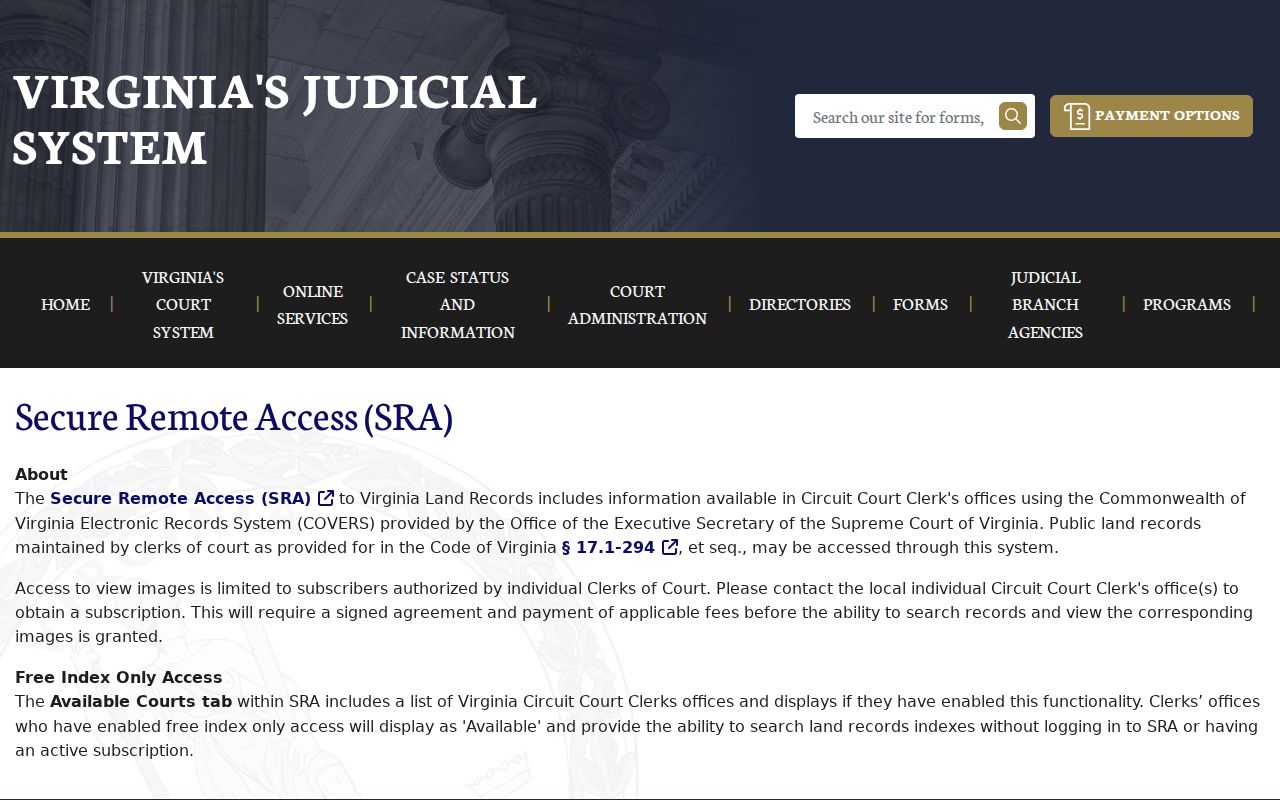
The statewide page leaves local questions open. Confirm Gloucester availability, search range, and image access with the Clerk.
How Far Back Gloucester County Ownership Records Go
No verified single year marks the start of a Gloucester online deed index. The county materials offer no evidence that every local deed book survives in one unbroken run. The Clerk's reference to records held since 1859 covers only certain groups. Do not stretch it into a claim about all land instruments. For early ownership, ask a title professional or the Clerk. Have them identify the relevant historic series. Colonial patents and land grants may belong to a far older research path. Yet a general state or archive search never proves a particular Gloucester tract has been traced. Gloucester's land-tax lists run from 1782 through 1861. Personal-property tax lists cover a similar span. The Library's Virginia Room supports genealogy and local-history work, microfilm included. The Museum of History and special-collections resources can help identify families, places, or context. A tax list shows a person taxed on land in a given period. It does not fix that person's exact title or boundaries. Newspaper notices and family histories work the same way, as clues rather than legal conveyances.
The Library describes genealogy, microfilm, and Virginia Room services. Explore Gloucester Library local-history resources.
Library materials can frame a historical question well. Use them to spot names and dates worth verifying in recorded land instruments.
The County Museum page points to local history and special-collection contacts. Visit the Gloucester Museum of History.
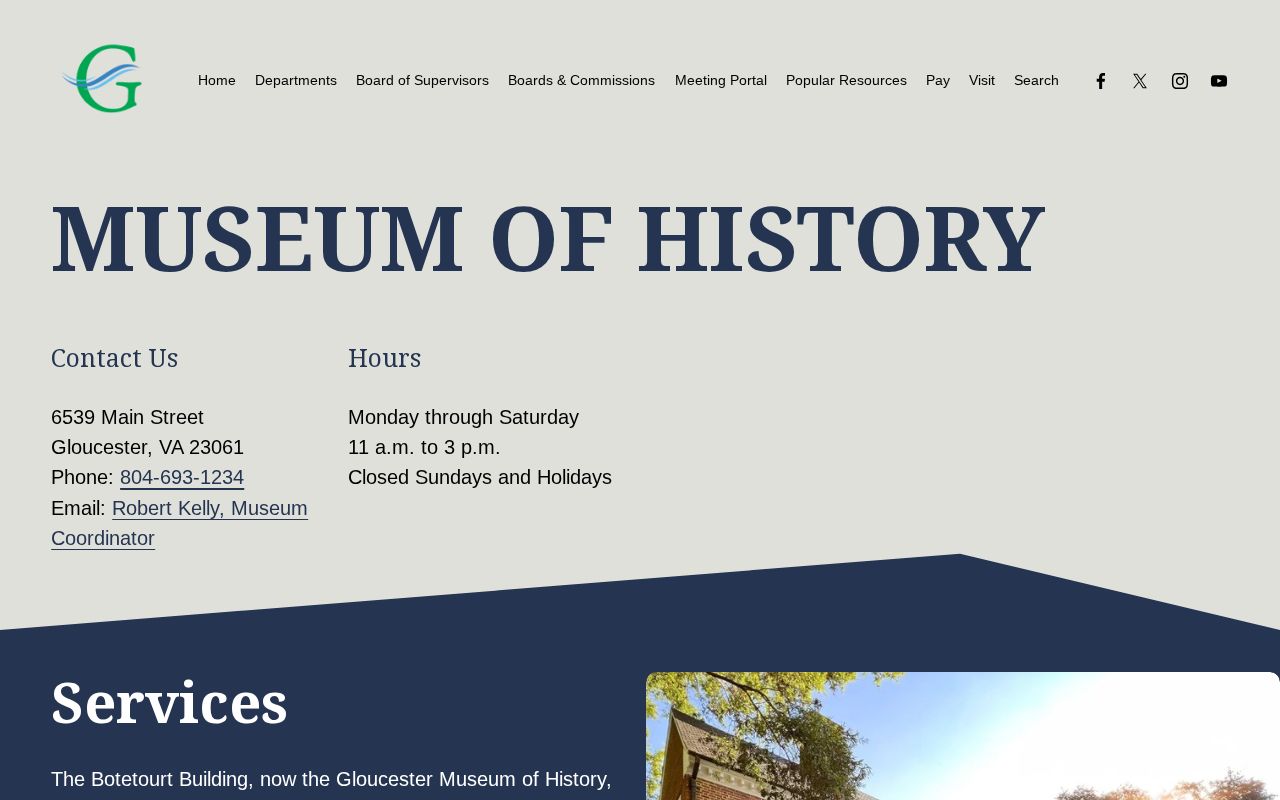
Treat collections as context and confirm ownership facts against the Clerk's instruments. A prior owner's death may point you toward an estate file or vital record. A death certificate alone transfers no real estate. The Virginia Department of Health issues certified vital records. It applies its own eligibility and identification rules. The Circuit Court Clerk holds local probate and will records. Follow the estate documents and the later deeds to see how an interest actually passed.
Virginia’s Office of Vital Records explains eligibility and ordering requirements. Review Virginia vital-record access rules.
The VDH page deals with certified vital records, not real-estate title records. Probate and conveyance instruments are the true property-history sources.
Lawful use. Use historical ownership research for property, title, or local-history work. Do not use records to track, threaten, or harass any living person.